

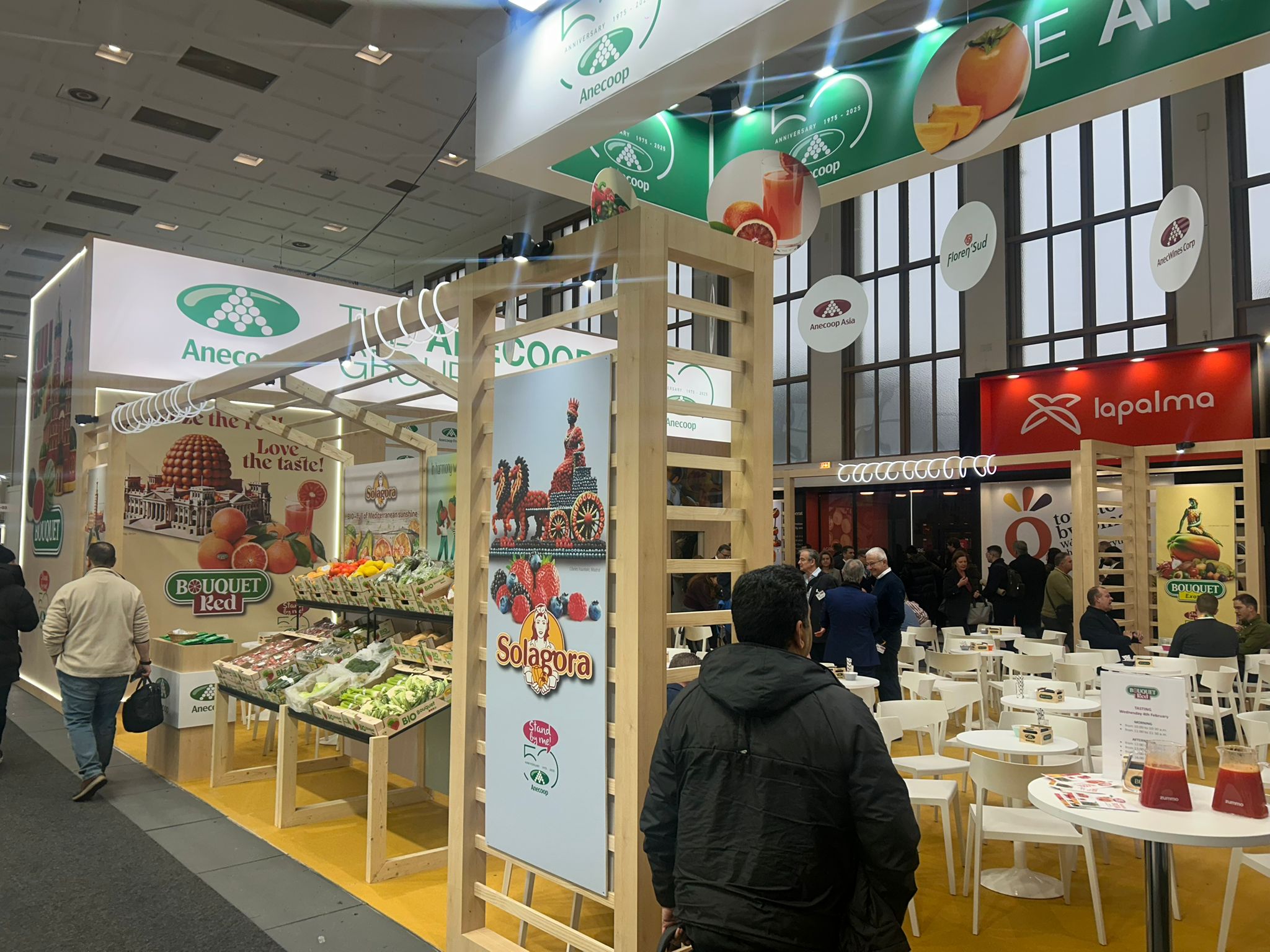
What Nigeria Learned from the World’s Leading Fresh Produce Trade Fair
Berlin, Germany | 4–6 February 2026
Fruit Logistica 2026 reaffirmed its status as the world’s most influential platform for the global fresh fruits and vegetables industry. Held in Berlin from 4–6 February 2026, the event brought together stakeholders from across the entire fresh produce value chain—production, certification, logistics, regulation, marketing, and retail—offering a powerful lens into how global fresh produce trade is evolving and what it takes to compete.
For Nigeria, participation at Fruit Logistica 2026 served not only as an opportunity for observation and networking, but also as a strategic diagnostic moment—highlighting both the scale of global opportunity and the depth of preparation required to participate meaningfully.
Fruit Logistica in the Global Fresh Produce Ecosystem
More than a conventional trade fair, Fruit Logistica functions as a global market‑shaping platform. It is where buyers assess supply risks, exporters position new products, regulators signal compliance expectations, and development partners align export‑promotion strategies.
The 2026 edition attracted participants from approximately 175 countries, reflecting the increasing globalization of fresh produce trade. With demand driven by urbanisation, health consciousness, and changing consumer preferences, fresh fruits and vegetables have become a highly competitive, standards‑driven segment of global trade—particularly within the European Union, where food safety, sustainability, labour standards, and traceability are tightly regulated.
Fruit Logistica sits at the intersection of these dynamics, making it a critical benchmark for countries seeking access to structured international markets.
Scale, Structure, and Global Participation
Hosted at Messe Berlin, Fruit Logistica 2026 was organised across multiple halls by geography and theme, enabling targeted engagement while reinforcing the event’s global reach. European countries such as Germany, Spain, the Netherlands, France, and Italy maintained strong visibility, showcasing advanced logistics systems, innovation‑led production, and cohesive national branding.
Latin American and Asian countries were equally prominent, particularly in tropical and subtropical fruits such as bananas, mangoes, avocados, pineapples, and citrus—using the platform to reinforce their reputations as reliable suppliers while introducing varietal innovations.
Africa’s participation, however, revealed sharp contrasts. While some countries demonstrated strong institutional coordination and export readiness, others—including Nigeria—were largely absent from structured participation.
Product Trends and Innovation: What the Market Is Signalling
One of the clearest signals from Fruit Logistica 2026 was the central role of innovation in competitiveness. Mangoes emerged as a flagship product across multiple country pavilions, reflecting rising global demand for tropical fruits and the strategic use of specific commodities as market entry points.
Beyond mangoes, exhibitors showcased:
-
Seedless sweet paprika designed for consumer convenience
-
Premium and seedless tomato varieties focused on flavour consistency
-
New lettuce cultivars engineered for longer shelf life and adaptability
These innovations were supported by advances in packaging, cold‑chain management, and varietal research. Importantly, innovation was not always high‑tech; many exhibitors focused on incremental improvements that delivered real market advantages.
Sustainability, Organic Production, and Certification as Baselines
Perhaps the most dominant cross‑cutting theme at Fruit Logistica 2026 was the emphasis on bio‑organic and sustainably produced fresh foods. Organic certification, environmental responsibility, and traceability were presented not as optional value additions, but as baseline requirements for accessing premium European markets.
For Nigeria, this presents both a challenge and an opportunity. While organic and low‑input production practices exist across many farming communities, they remain largely undocumented, uncertified, and disconnected from export systems—limiting market access despite underlying potential.
African Pavilion: A Comparative Reality Check
The African Pavilion offered some of the most instructive lessons of the event.
-
South Africa stood out for its institutional maturity, particularly through the Perishable Products Export Control Board (PPECB), which regulates export‑bound produce from farm to port.
-
Ghana demonstrated cohesive national coordination, supported by its Export Promotion Council and strong producer associations.
-
Ethiopia and Zimbabwe benefited from structured development‑partner support, arriving with certified producers, export‑ready products, and clear national branding.
These examples underscored how institutional coordination, certification support, and long‑term planning translate directly into market presence.
Nigeria’s contrast was stark.
Nigeria’s Presence: Potential Without Positioning
Nigeria’s participation at Fruit Logistica 2026 was minimal and informal, represented largely by an individual entrepreneur operating a small African retail outlet in Germany. While commendable at a personal level, this presence highlighted a significant gap between Nigeria’s agricultural potential and its actual positioning in global fresh produce markets.
The absence of export‑ready producers, nationally coordinated pavilions, certified products, and institutional representation reflected deeper structural issues—particularly in certification, governance, financing, and strategic planning.
Strategic Engagements and Market Linkages
Beyond the exhibition floors, Fruit Logistica 2026 functioned as a high‑level networking platform. Strategic engagements were initiated with Mercabarna, Spain’s largest Mediterranean wholesale food hub, and the Port of Barcelona, a major logistics gateway for agri‑commodities.
Mercabarna’s network of over 600 import‑export companies presents a viable entry point for Nigerian produce—provided export readiness can be achieved. Additional contacts with importers and facilitators in the United Kingdom, Belgium, and the Middle East laid groundwork for future engagement.
Certification and Export Governance: The Non‑Negotiables
Across discussions with buyers, exporters, and development partners, one requirement surfaced repeatedly: GLOBALG.A.P. certification.
Certification is no longer a differentiator—it is a minimum entry condition. The lack of reliable data on certified Nigerian producers points to a critical structural weakness. Successful exporting countries have institutionalised certification through subsidies, training, and collective compliance systems.
Export governance models such as South Africa’s PPECB further illustrate the importance of separating export‑oriented production from domestic supply chains to ensure quality, traceability, and buyer confidence.
Key Lessons and What Comes Next
Fruit Logistica 2026 reinforced a clear message: global fresh produce trade rewards preparation, standards, and coordination.
For Nigeria, the path forward includes:
-
Early and structured planning for Fruit Logistica 2027 (3–5 February 2027)
-
Scaled certification programmes for export‑oriented producers
-
Strategic engagement with development partners
-
Public–private financing models for export readiness
-
Stronger producer training and market intelligence systems
Conclusion: From Observation to Action
Fruit Logistica 2026 highlighted both the scale of opportunity in global fresh produce markets and the level of readiness required to compete. Nigeria’s agricultural endowment remains strong, but without deliberate reforms, institutional strengthening, and coordinated private‑sector engagement, this potential will remain unrealised.
As preparations begin for the next edition, the lessons from Berlin underscore the urgency of moving from marginal participation to credible market presence—positioning Nigeria not just as a producer, but as a serious player in global fresh produce trade.